When a deployed battery system reports a fault, the first useful action is to protect people and preserve evidence. A support team cannot reliably decide whether a pack, host, installation, transport event or operating condition caused the symptom from a message such as “battery not working.” A structured case should identify the affected units, reconstruct the event, collect synchronized electrical and host data, classify severity, and agree on the next safe test. This is how a B2B integrator can move from an urgent message to an auditable technical and commercial decision.
This article describes general support practice, not a warranty promise or a field repair manual. The signed contract, purchase terms, approved project specification and model-specific instructions govern any claim. YZL POWER's customer materials include an after-sales procedure that prioritizes safety, evidence-first diagnosis and written closure; any customer-facing response targets must be confirmed for the specific project. Do not return or dismantle a suspect lithium battery without written instructions and qualified personnel.
Separate a safety event from a routine performance case
A report of smoke, fire, swelling, leakage, unusual odor or uncontrolled heat belongs in the site's emergency process. Stop normal troubleshooting, keep people away according to local procedures and involve qualified responders. Do not ask a customer to cycle the unit again to reproduce the symptom. The support contact should capture only the information needed to identify the unit and location while the site follows its safety plan. Later diagnosis can use photographs, logs and inspection by authorized personnel.
A system that will not start, repeatedly trips protection or loses all communication is a different priority from a slightly inconsistent state-of-charge display. Both deserve attention, but the immediate operational effect differs. Create severity definitions before a problem occurs: safety emergency, site unavailable, degraded or intermittent performance, and documentation or cosmetic issue. State who can reclassify a case as new evidence appears. A complaint may begin as “display error” and become a service event if the backup system is unavailable.
Severity is not the same as warranty entitlement. A serious fault may still require investigation of installation or host conditions; a minor-looking issue may reveal a manufacturing problem across multiple units. Triage determines how the team protects operations and allocates attention. Commercial responsibility should follow evidence and the signed agreement, not the first impression in a chat message.
Open one case with a stable identifier
Create a case number, record the time and time zone, affected site, reporter, preferred contact, immediate safety status and owner. Use that number in every photograph, log, sample and replacement discussion. If several sites show similar symptoms, keep separate unit records under a common investigation reference. Combining serial numbers into one vague ticket makes it difficult to tell whether the same cause exists everywhere.
Capture identity and commercial context
Request the order or purchase reference, delivery date, battery model, serial number, quantity affected and location. Photograph battery and BMS labels clearly enough to read identifiers. Record host equipment model, firmware, gateway and charger revision. For a multi-module system, identify which unit produced the alarm and which units stayed online. One product name may cover several hardware or software revisions that need different diagnostic steps.
Preserve the approved project documents: final drawing, battery specification, host compatibility agreement, commissioning record, parameter file and accepted test report. Compare the installed system with that baseline. If an installer changed a charger setting or replaced a cable after acceptance, note when and why. Do not treat matching nominal voltage as proof that a replacement pack is configured identically. The field commissioning checklist explains what should be captured when a system first enters service.
The commercial record establishes what was included in the sale. A supplier may have provided the complete system, only the pack, or a pack built to an integrator's interface specification. Those arrangements affect who investigates a charger, inverter, cable and site environment. Keep the first discussion factual. Do not promise a refund, replacement or particular warranty duration until the applicable documents and evidence have been reviewed.
Reconstruct the event as a timeline
Ask for first occurrence, frequency, duration and exact operating mode. Was the battery charging, discharging, idle, starting a large load or recovering from an outage? Did the symptom follow installation, firmware update, power interruption, temperature event or transport move? Request timestamps from the battery, host and monitoring system. If clocks differ, record the offset before comparing logs. A timeline can show whether a BMS alarm preceded a host shutdown or appeared only afterward.
Record the most recent normal operating period as well as the fault. A one-minute trace around a trip is useful, but longer context may reveal a gradual temperature rise, increasing load or changing charge pattern. For intermittent cases, note the conditions under which the fault does not occur. “Fails only with a particular charger” is a stronger clue than “sometimes fails.” Avoid asking a technician to recreate an event if that creates a safety or availability risk.
Write observations separately from interpretations. “Voltage at the host input fell during motor start” is an observation when measured. “The cells are defective” is a conclusion that needs evidence. Label assumptions and assign an owner to confirm each one. This discipline prevents a preliminary support guess from becoming an accidental warranty decision.
Collect synchronized electrical and digital data
Where the approved system provides it, gather pack voltage, current, temperature, state of charge, BMS alarm code and event history. Pair these with host voltage, charger or inverter status, load current and controller logs. Record measurement point and instrument for manual readings. A battery display and an inverter screen can show different values because they measure at different places or update at different times. That difference is useful when the team understands the boundaries.
For communication problems, capture host protocol profile, firmware, cable and pinout, connection state and available bus trace. A screen may show plausible voltage while communication data are stale. Look for the last fresh message and the host's response to lost data. Do not change multiple protocol settings until the symptom disappears. Preserve the failing configuration and then change one variable at a time. The BMS interface test matrix provides a framework for signals, timeouts and fault handling.
For a runtime or capacity complaint, request load profile, discharge interval, initial state of charge, ambient conditions, host cutoff and actual supported loads. “It lasted fewer hours” cannot be interpreted without those conditions. Compare the event with the approved autonomy calculation and exact model data rather than a generic chemistry claim. If the site added equipment after commissioning, quantify that change.
Photograph the installation for remote context
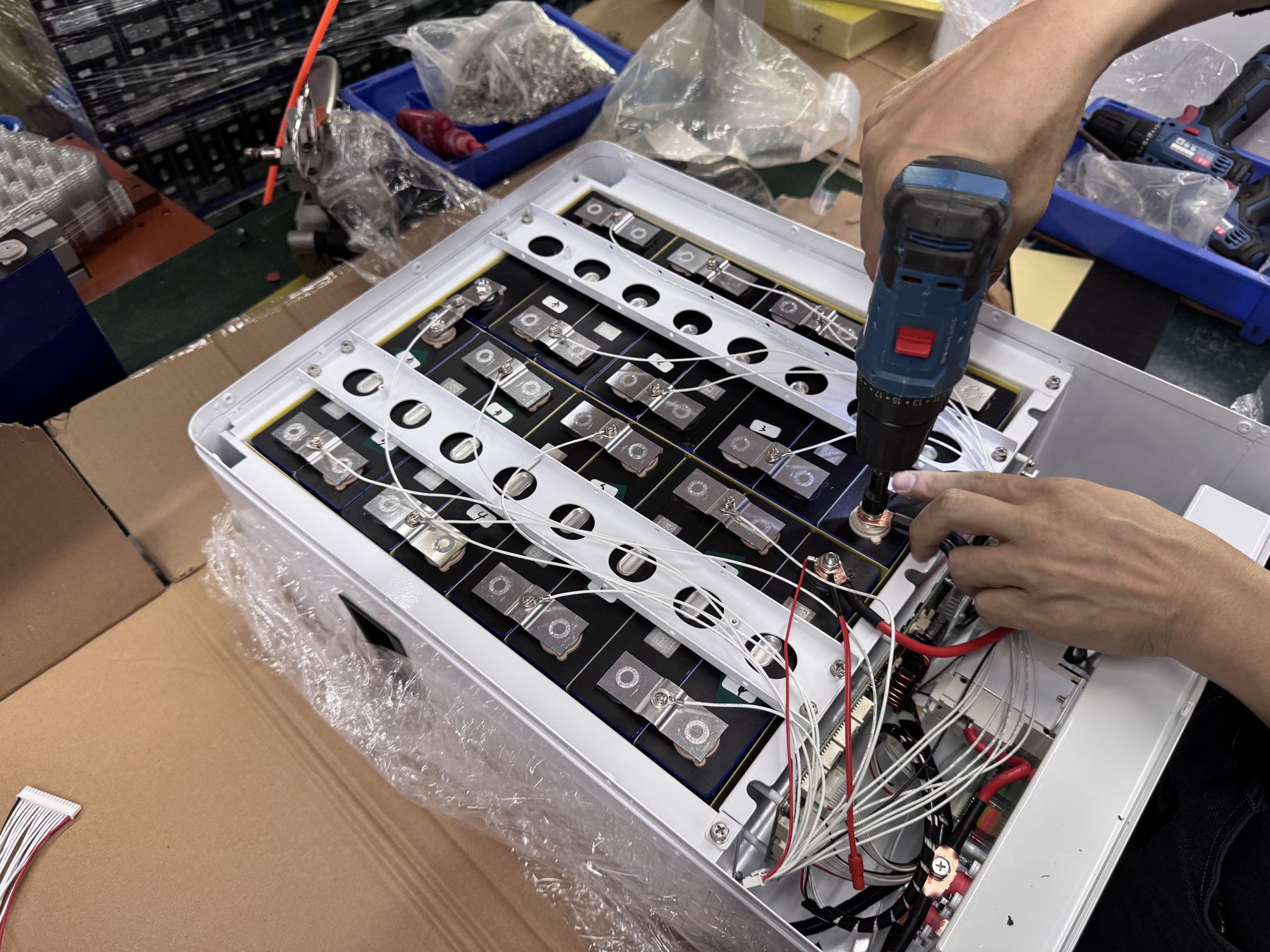
Ask for wide and close images. A wide view should show cabinet, equipment, ventilation and cable route. Close views should show pack label, connectors, terminal covers, fuse or breaker, communication port and visible damage. Follow the site's safety rules: do not open an energized enclosure or remove guards merely to obtain a photograph. A blurred red cable is less useful than a labeled image that connects the cable to a drawing.
Record series and parallel arrangement, cable asymmetry, bonding or grounding arrangement where specified, charger location and nearby heat sources. Do not infer a wiring fault from a photograph alone; use it to identify what a qualified person should check against the approved drawing. For an outdoor cabinet, note moisture, dust, blocked ventilation or failed cooling. The aim is to understand installation, not to assign blame to the installer by default.
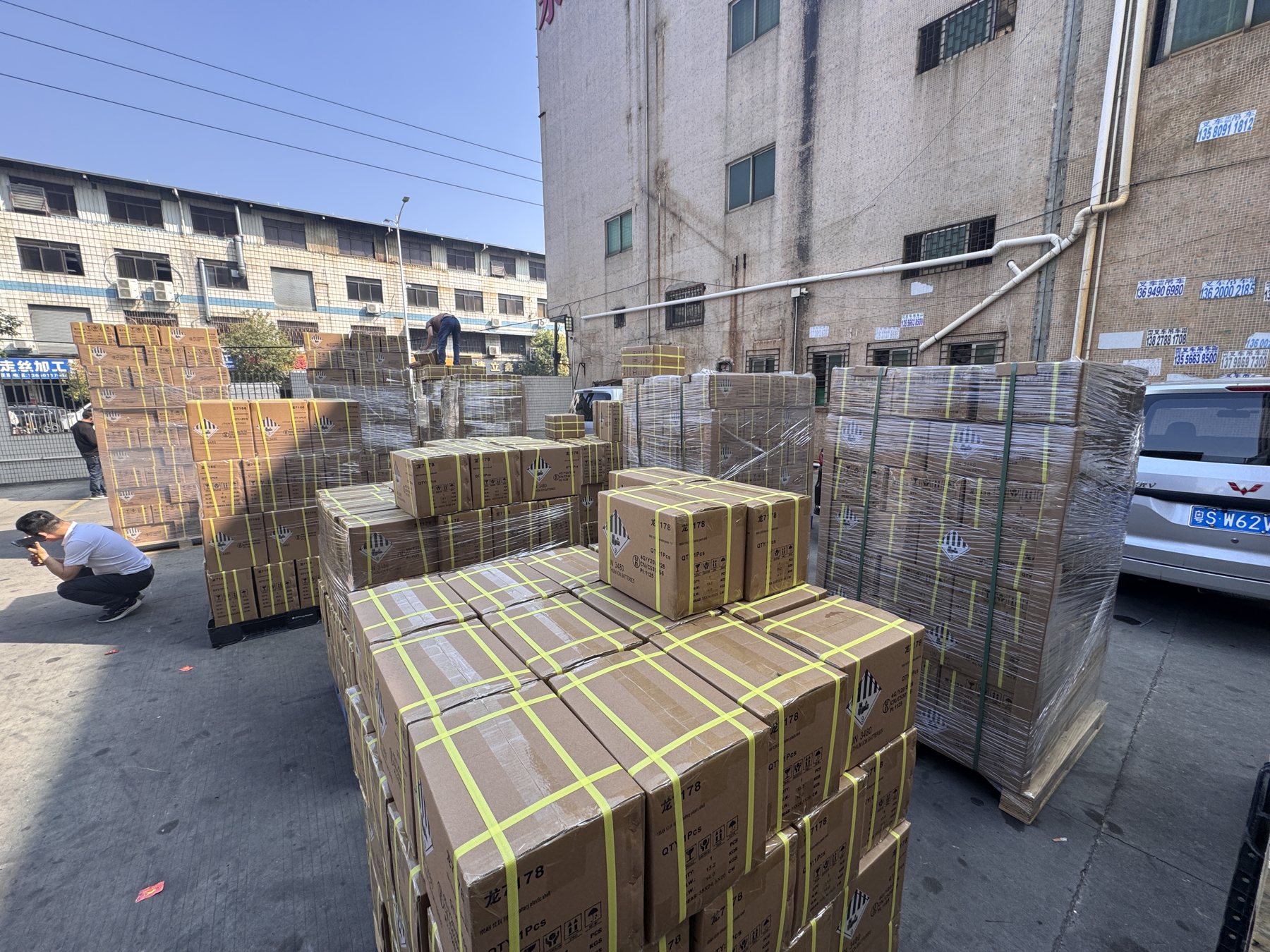
For suspected transport damage, preserve receiving records and packaging photographs: pallet condition, impact marks, wet cartons and carrier notation. Note when damage was first observed and whether the unit was stored, moved or installed afterward. A supplier shipment photo shows departure packing; a receiving photo shows condition at destination. Neither alone proves the whole transport history.
Triage by symptom rather than by preferred replacement part
A no-start case may involve pack protection, host enable logic, charger, breaker, cable or communication handshake. Repeated trips under load can involve a current peak, voltage drop, temperature, host setting or internal pack behavior. Charging complaints can involve charger profile, temperature limit, power source and BMS state. State-of-charge complaints can involve calibration, communication freshness or a real energy shortfall. List plausible branches and the evidence that distinguishes them.
Use a decision log. For each hypothesis, write the observation that supports it, an observation that would weaken it, and the next safe check. If host voltage falls sharply while pack voltage remains stable, a qualified engineer may inspect the intervening power path under the approved procedure. If both fall together, compare load and pack limits. Do not ship a replacement pack into an unresolved site condition and assume the problem is solved.
Remote support should say when it cannot decide from available data. A controlled bench test, authorized site visit or component exchange may be needed. State its purpose and pass criterion before arranging it. If a replacement is used diagnostically, preserve the original unit's serial number, configuration and chain of custody. Restoring service is valuable evidence, but it does not automatically establish the removed unit's root cause.
Agree on a controlled test plan before touching the unit
The next step should be a written test with an owner, safe boundary and expected evidence. A remote team may ask for a settings screenshot, a de-energized visual check or a monitored operation under a normal load. A more intrusive test needs qualified personnel, approved instruments and a reason. Do not instruct a customer to bypass a protective device, open a sealed pack or force an alarm to repeat. The site's operational requirements may also prohibit a discharge test during business hours.
Specify what would count as a pass or fail. A test that only shows “the system starts today” may not address an intermittent trip. The plan might compare the same load under a known host configuration, observe a charger transition or verify communication freshness. Use a baseline from commissioning where available. If the unit has changed since that baseline, document the difference before drawing conclusions.
When a test changes a setting, preserve the previous value and name the approver. Change one meaningful variable at a time so the result can be interpreted. Record time, firmware, ambient condition and load. A controlled retest after a corrective action is stronger than a verbal report that “it seems fine now.” If the fault cannot be reproduced, define a monitoring period and the data to retain if it reappears.
Keep configuration and chain of custody intact
A removed module is evidence. Record its serial number, visible condition, state when isolated, configuration, location, packaging and every transfer of custody. If it is to be inspected at a laboratory or returned to a supplier, follow the written instructions and applicable transport procedure. A damaged or suspect lithium battery may require different handling from a normal unit. Do not reuse an earlier shipment's documents without confirming the current model, condition and route.
If a new module is installed to restore service, record its own serial number and version and the approved commissioning checks. A working replacement may narrow the investigation, but it does not prove that every component in the original unit was defective. The act of changing the module can also reseat a cable, clear a controller state or alter settings. Preserve logs before the exchange and compare the configuration afterward.
For multiple affected units, look for a common factor: host firmware, charger profile, installation batch, ambient exposure, shipment, cell or BMS lot where available, or a recent software update. Correlation is a lead to investigate, not a conclusion. Keep a serial-number map and note unaffected units in the same environment. A pattern that crosses different sites may point in a different direction from a problem isolated to one cabinet.
Explain the difference between diagnosis and warranty decision
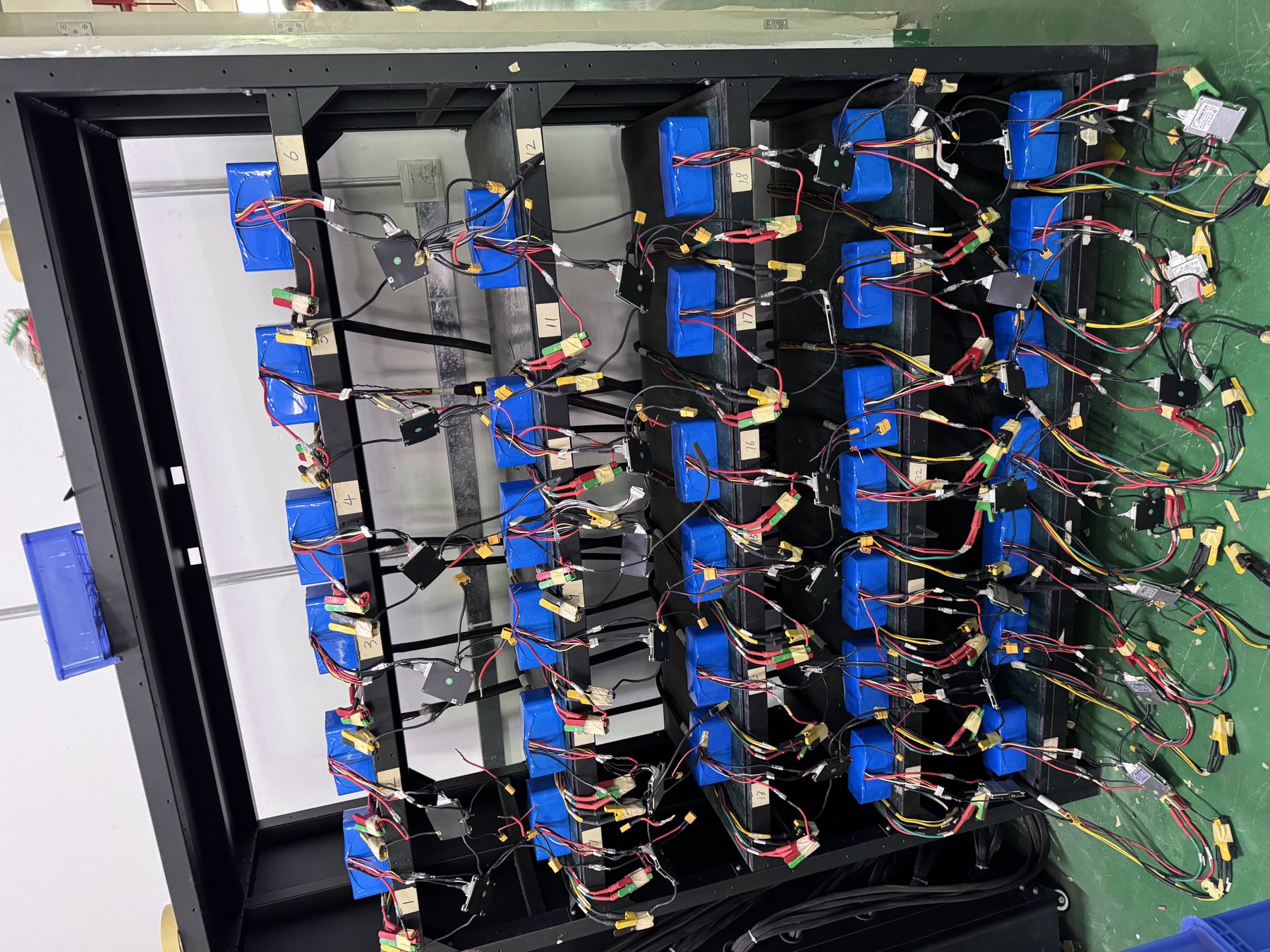
A technical report should state observed facts, tests performed, results, remaining uncertainty and a reasoned cause assessment. A commercial decision then applies the contract and approved warranty terms. The same report can support several outcomes: a defective component under the agreed coverage, an installation correction, a host configuration change, a transport claim, or an inconclusive case needing more evidence. Avoid presenting a technical possibility as a final legal or commercial determination.
An effective written response separates immediate service restoration from final responsibility. A temporary replacement, remote setting review or site visit may be authorized to reduce downtime while the investigation continues. Record whether the action is a temporary measure and who pays under the agreement. Do not infer blanket rights or obligations from a public website article. The contract and purchase documents take priority.
For a disputed case, show the evidence chain. Include the approved specification, commissioning baseline, event timeline, synchronized logs, photographs, test plan, results, change record and the relevant contract clause. This makes the decision reviewable by people who were not on the first call. It also gives the supplier a fair chance to identify a product issue and the integrator a fair chance to show the installation met requirements.
Close the case in a way that improves the next project
A case is not closed merely because a replacement is shipped. Confirm that the customer or site owner reports restored function under an agreed operating condition. Record the final configuration, any open monitoring item, the disposition of the removed unit and the written commercial outcome. If several parties contributed, name the action each owns. An unclosed technical exception can reappear at the next site in a rollout.
For a recurring or batch issue, consider a corrective-action report. It should describe the problem, affected scope, containment, evidence-based cause, corrective change, verification and prevention. Do not publish unverified cause statements or customer identities. Internal traceability can use serial numbers and controlled documents while public content remains generic. The aim is to prevent repeated failures, not simply to produce a document after a complaint.
Feed lessons back into product selection and commissioning. If missing host logs slowed diagnosis, add log export to the handover packet. If operators could not identify a unit, improve labeling and the serial-number map. If a firmware change broke communication, add version freeze and regression tests. The quality and validation approach and support process provide the broader context for these actions.
Common mistakes in remote battery support
The first mistake is deciding the cause from a single photograph or alarm code. Codes can indicate the pack's reaction to an external condition as well as an internal fault. Collect the surrounding operating state. The second is asking for every possible file at once without explaining priority. Start with safety, identity, timestamp, symptom and essential logs; request deeper evidence according to the diagnostic branch. A focused request is easier for a busy site to satisfy.
The third mistake is changing multiple parameters before saving the failing configuration. This destroys the ability to reproduce and explain the result. The fourth is treating a temporary restoration as proof of root cause. The fifth is using the words “warranty approved” in a technical chat before commercial review. Give a clear case status instead: evidence requested, test planned, provisional technical finding, or final decision.
Another mistake is overlooking destination and transport constraints for a returned battery. A normal shipment procedure should not be assumed for a unit with damage or a safety concern. Follow written instructions from the responsible parties and current carrier requirements. Do not ask a customer to place a suspect module in a standard parcel simply to speed up diagnosis.
A practical customer evidence checklist
A short first request can ask for order reference, battery model and serial number; site and host model; time of first fault; present safety condition; a clear symptom description; alarm codes and screenshots; recent changes; and photographs of the label and installation. Add measured voltage, current, temperature, load and host logs if the system provides them safely. State which items are essential for immediate triage and which can follow later.
For a power or charging symptom, request charger model, settings and source status. For a communication symptom, request cable drawing, host firmware, protocol profile and last known good log. For a runtime symptom, request initial state of charge, load trace, discharge duration and endpoint. For transport damage, request receiving photographs, packaging and carrier record. A modular request avoids collecting a mountain of unrelated screenshots.
Tell the customer how to label files with site, serial number and timestamp. Maintain a secure case record and restrict access to customer information. If logs include network identifiers or other sensitive operational data, agree on a safe transfer route. Good evidence practice should not create a second data-handling problem.
Frequently asked questions
Does a BMS alarm prove the battery is defective?
No. An alarm may be a protective response to load, temperature, charging, communication or an internal condition. The code, timing and surrounding measurements are needed. Avoid clearing it before recording the event. A qualified engineer should interpret it against the exact model's documentation.
Can a warranty claim be accepted from a video alone?
A video can show the symptom, but identity, configuration, operating conditions and contract coverage still need review. A clear video with a timestamp and serial number is stronger than an unlabeled clip. The evidence required for a final decision depends on the claim and the applicable terms.
What if the site is down and the root cause is unknown?
Prioritize safe service restoration and preserve evidence. The project parties can authorize a temporary action while the technical investigation continues. Document its scope and commercial status separately from the final warranty decision. Do not make the system unsafe to recover service.
Should the customer ship the battery back immediately?
No. Confirm condition, model, route and written instructions first. A suspect or damaged lithium battery may need special handling, and a return shipment without approval can create additional risk. Keep the unit under the site's safety process until the responsible parties agree on the next step.
Why are commissioning records important months later?
They establish the accepted model, firmware, settings, wiring and test result at installation. Comparing current state with that baseline can reveal changes that matter to diagnosis. Without it, the support team must reconstruct the original system from memory and incomplete photographs.
Summary and contact
A useful battery warranty case is an evidence trail: safety classification, unit identity, event timeline, synchronized battery and host data, installation photographs, controlled tests, written technical findings and a contract-based commercial decision. This workflow helps integrators and suppliers resolve the actual problem while keeping temporary service restoration separate from final responsibility. It also turns a complaint into improvements for the next installation.
For project-specific support, use the agreed contract and YZL POWER support page. Send the case reference, order details, model and serial number, host version, symptom timeline and available logs to [email protected] or WhatsApp +86 138 0280 9405. Do not send a suspect battery or perform an unsafe test before written instructions are agreed.